Terms of Service
This page explains how Jai Club works, what members agree to when they create an account, and how the platform manages deposits, withdrawals, bonuses, safety, content rights, and dispute handling for Indian users.
Read the rules before you play
These terms are written to feel easy to follow without losing legal clarity. They also reflect a premium product experience, where every action on the platform should feel transparent, polished, and secure.
Fast, clean access
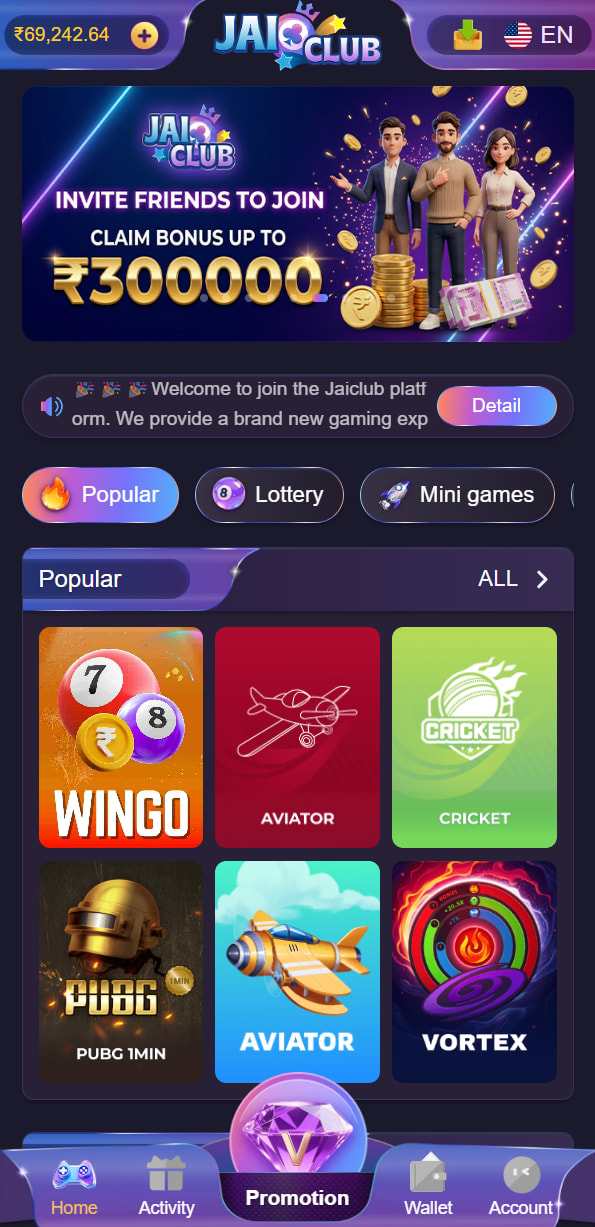
Use the platform from mobile or desktop with a smooth, responsive experience that keeps the focus on gameplay and account control.
Trust-first design
Rules are presented in plain language so users understand responsibilities around deposits, withdrawals, bonuses, and account security.
Gaming platform tone
The layout uses neon accents, glass surfaces, and layered cards to match the premium gaming feel expected by Indian audiences.
1. What Are Terms of Service?
Terms of Service are the agreement that defines how a user may access and use Jai Club. They explain the relationship between the platform and the member, including what is allowed, what is restricted, and how account activity is handled. In practice, these terms create the operating rules that keep the platform orderly, fair, and consistent for every user in India. They also help explain the boundaries around payments, content use, gameplay, and dispute handling.
For users, the value of a good Terms of Service page is clarity. It removes confusion before the first deposit, before the first game, and before any bonus is claimed. For Jai Club, it protects the platform by making expectations visible in advance. That balance is essential for a premium experience because trust is built when rules are simple to find, easy to read, and applied consistently.
2. Acceptance of Terms and Clickwrap Agreement
When a person creates an account, logs in, or continues using the platform after being shown the terms, they are treated as having accepted them. This is commonly called a clickwrap-style agreement because the user takes a clear action to indicate consent. On Jai Club, acceptance should be immediate, visible, and easy to understand, especially on mobile where quick taps often replace longer reading sessions.
If a user does not agree to the terms, they should not use the platform. Continued use after updates are posted also matters, because it shows acceptance of the revised version. That is why the Terms of Service page should remain accessible from the footer, article sections, and account-related screens. Users can also move between key resources like Jai Club login, Jai Club Register, and the main site while staying in a consistent brand environment.
3. Who Can Use Jai Club? Age and Eligibility Rules
Jai Club is intended for users who meet the legal age requirement and who are allowed to use online gaming services under applicable local law. Eligibility should be treated seriously because the platform needs each member to have the legal capacity to enter into this agreement. In an Indian context, that means the user must understand local laws, payment rules, and the personal responsibility that comes with real-money or reward-based gaming activities.
The platform may also require a valid Indian mobile number, OTP-based verification, and other identity details to confirm account ownership. If a user is barred from the platform, under suspension, or otherwise ineligible, they should not create a new profile or try to bypass restrictions. This policy protects all members by keeping the community safer, more reliable, and easier to manage at scale.
4. Account Registration, Accuracy, and Security Responsibilities
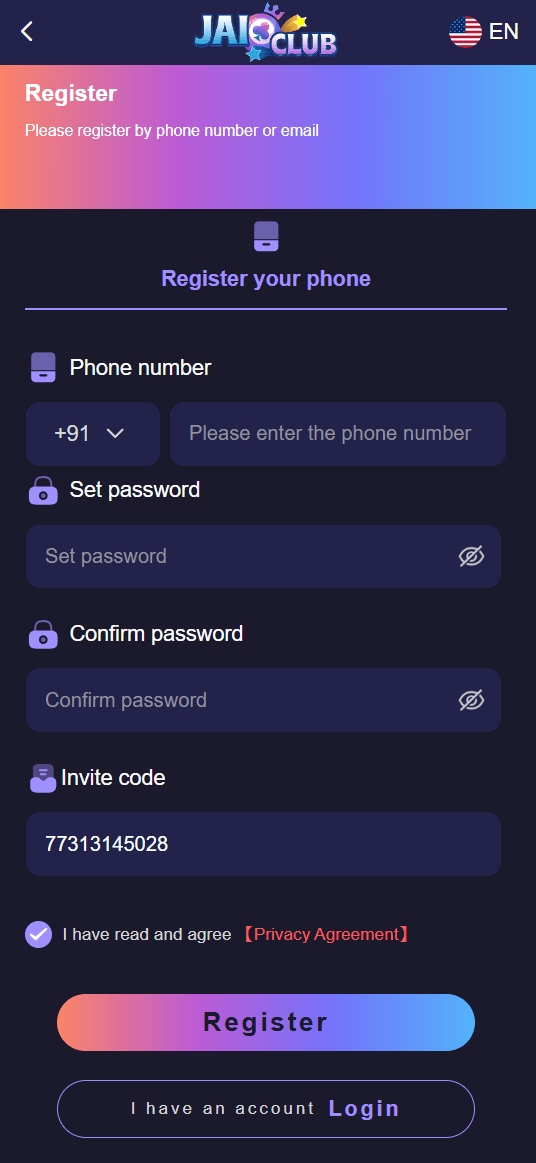
Registration should be accurate from the very beginning. A user must provide truthful details, keep the information updated, and avoid using misleading names, borrowed identities, or false contact numbers. Since many account actions depend on OTPs, profile matching, and withdrawal verification, incorrect information can delay access or block payments later.
Security is equally important. Users should keep their password private, avoid shared devices when possible, and never disclose login details to friends, agents, or third parties. If suspicious activity is noticed, the account should be secured immediately. The platform may also require verification steps for sensitive actions such as withdrawals, recovery requests, or payment disputes.
5. User Responsibilities and Account Ownership
Each account should belong to one person only, and that person remains responsible for all activity performed through the account. This includes gameplay, deposits, withdrawals, bonus claims, and support interactions. Account ownership matters because platform records, wallet balances, and verification data are tied to a single user identity. If someone else uses the account, the platform may not be able to determine who authorized an action.
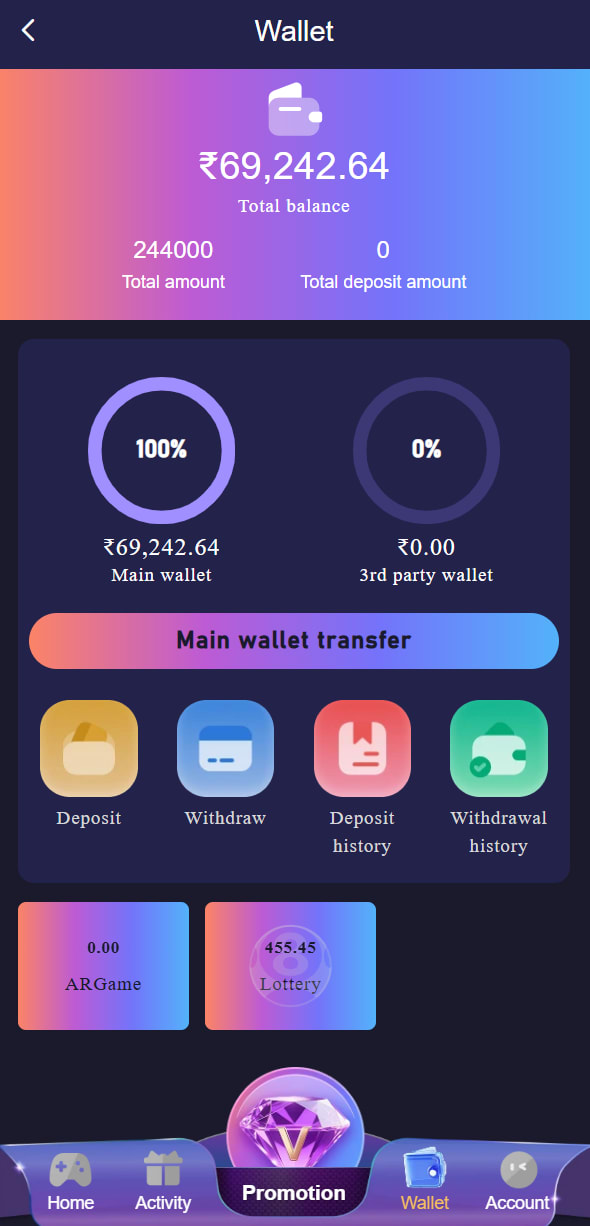
Users are responsible for keeping their device, SIM, email, and payment methods secure. They should also monitor their activity, review transaction history, and respond quickly if anything appears unfamiliar. For convenience, Jai Club may surface account summaries and wallet views that help people stay organized, but the final responsibility still rests with the account holder. That is a core part of trustworthy platform design.
6. Payment Rules
Payment activity on Jai Club must follow the platform’s published rules and any limits displayed inside the account area. Deposits, withdrawals, and wallet changes should be supported only by approved methods, and users should never attempt to route money through unverified channels. Transactions may be checked for fraud prevention, compliance, and technical accuracy before they are reflected in the wallet.
The wallet experience should feel fast and transparent, especially for Indian users who rely on UPI and similar payment flows. A premium platform needs clear transaction labeling, fast status updates, and a stable record of every move. That is why the payment area should remain simple to understand while still protecting the platform from misuse.
7. Deposit Rules and Payment Methods
Deposits should be made only through the payment methods the platform accepts at the time of transaction. If the system lists UPI, net banking, or digital payment apps, users must follow the exact instructions shown on the screen. Any payment sent to the wrong reference, wrong account, or wrong destination may take time to investigate and may not be credited automatically.
Users should also match the amount, note the transaction ID, and avoid sending multiple payments too quickly unless the platform clearly supports that flow. Payment failures can happen due to bank-side issues, network interruptions, or wallet errors, so keeping records helps speed up support. For convenience, the site may link to related pages like Jai Club Contact us when a deposit needs review.
8. Withdrawal Conditions and Verification Requirements
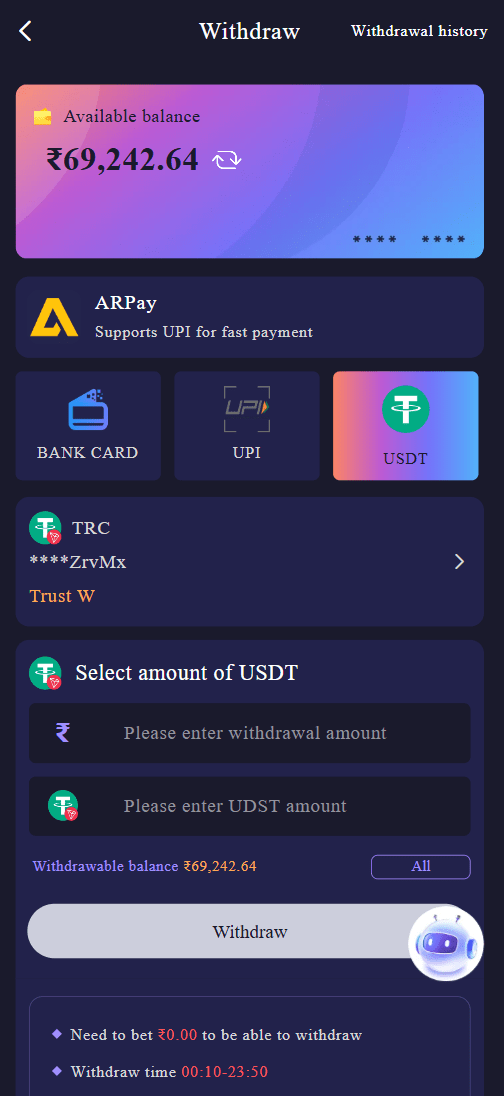
Withdrawals are usually subject to account verification, payment matching, and platform review. The name on the payment method should align with the account holder details, and the platform may ask for additional information if the request looks unusual or high-risk. This protects both the user and Jai Club by reducing fraud and preventing mistaken payouts.
Users should only request withdrawals that they are entitled to receive under the current rules. Deliberate misuse, repeated reversals, or suspicious transaction patterns can trigger a hold. A well-run withdrawal process should feel dependable, not rushed. That is why the platform should communicate status clearly and give users enough visibility to understand where the request stands.
9. Refund Policy for Failed or Reversed Transactions
If a deposit fails, is reversed, or never reaches the wallet, the platform should review the transaction against payment records and available logs. Refund handling depends on the actual payment status, bank response, and whether the money was ever successfully credited to Jai Club. Users should keep screenshots, UTR numbers, and timestamps because these details often shorten the support process.
Refunds are generally not instant because payment systems move through multiple partners. Some cases resolve automatically after a delay, while others need manual review. The most reliable process is one where users know what evidence to provide and where to find support quickly. That is one reason the site should maintain visible links to help pages and the home page for smooth navigation.
10. Bonus, Gift Code, and Promotional Offer Terms
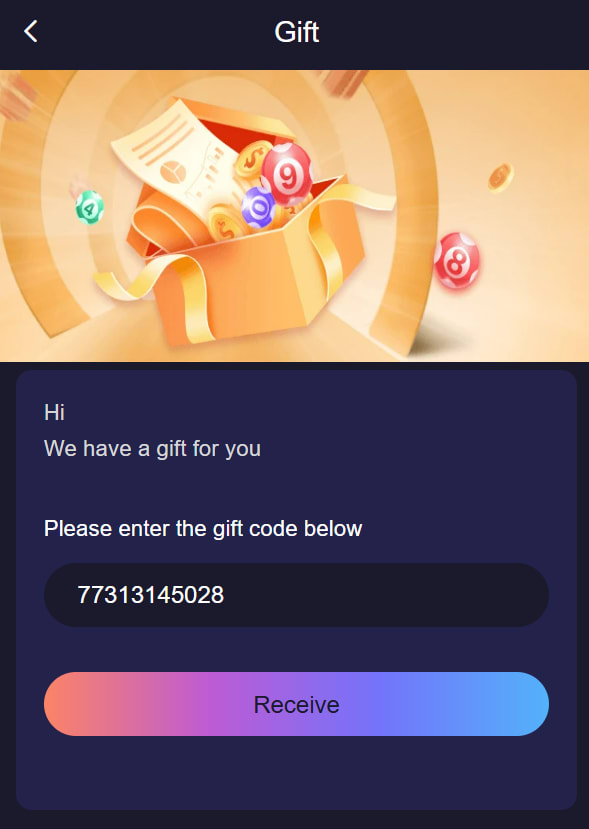
Bonuses and gift codes are promotional tools, not guaranteed income. They can come with eligibility limits, time windows, usage caps, wallet restrictions, or other conditions that shape how the offer can be used. Users should read the posted terms before activating any promotion so they understand how the reward is applied and when it expires.
Gift code claims, welcome offers, and promotional credits may be tied to one account only and can be cancelled if abuse is detected. That includes duplicate claims, misleading registrations, or coordinated activity across multiple profiles. A polished gaming brand should make promotions exciting, but it should also make the rules visible so the experience stays fair for all members. For more brand content, users can explore Jai Club Blogs or Jai Club Gift Code.
11. Chargeback, Fraud, and Payment Dispute Rules
Chargebacks and payment disputes can create serious account issues because they indicate that a transaction is being contested after the fact. If a payment is reversed without authorization from the platform, the account may be frozen while the issue is reviewed. That review may include wallet history, device data, login patterns, and transaction metadata to determine what happened.
Fraud prevention is part of everyday platform safety. Users should never attempt to manipulate payment systems, impersonate support staff, or ask banks to reverse legitimate activity just to gain an advantage. Clear records and honest communication are the fastest way to resolve a legitimate dispute. When needed, the platform may direct users to the appropriate support or policy page, including Privacy Policy and Jai Club Contact us.
12. Prohibited Activities on Jai Club
The platform expects users to act fairly and lawfully. Prohibited activity includes exploiting bugs, using fake details, attempting unauthorized access, or interfering with the service in any way. It also includes behaviour that misleads other users, breaks payment rules, or disrupts the platform’s normal functioning. In a premium environment, fairness is not optional; it is part of the product.
Any attempt to gain an unfair advantage can undermine trust across the entire community. That is why Jai Club may monitor for suspicious activity and act when patterns look inconsistent with normal use. These controls are common in modern digital services, especially where wallets, account identity, and game integrity are involved.
13. No Cheating, Abuse, or Fraudulent Behavior
Cheating includes manipulation of outcomes, abuse of system quirks, and any deceptive behavior intended to create an unfair benefit. Fraudulent actions can also include false claims, stolen payment methods, or misuse of promotions. Jai Club should reserve the right to investigate these patterns because one dishonest account can affect the experience of many honest users.
Abusive conduct is also not acceptable. Harassment, threats, repeated spam, or support abuse can damage the service environment and make the platform harder to manage. Clear standards help keep the experience clean, respectful, and efficient. The end result is better for players, support teams, and the platform as a whole.
15. No Scraping, Reverse Engineering, or Bot Use
Users must not scrape content, extract data at scale, reverse engineer the app, or use bots to automate actions. These behaviours can overload systems, expose private processes, and harm the fairness of the platform. A premium product must protect both performance and intellectual property, especially when the interface is built for high engagement.
Automation can also distort analytics and create false activity patterns that make service quality harder to manage. By limiting these actions, Jai Club keeps the environment stable and preserves the intended user experience. That protection supports faster loading, smoother interactions, and a more dependable product overall.
16. Responsible Use of the Platform
Responsible use means engaging with the platform in a way that stays within your budget, your schedule, and your own limits. Good platform design should make it easy to review activity, set healthy habits, and stop when needed. The experience should feel energetic, but it should never encourage reckless behaviour or confusion about spending.
For many users, a responsible approach is what keeps the platform enjoyable over time. That includes checking balances regularly, using trusted payment methods, and thinking before accepting any offer. Members can also explore Responsible Gambling guidance for more context and better habits.
17. Right to Suspend, Restrict, or Close Accounts
Jai Club may suspend, restrict, or close an account when it believes the rules have been broken, security has been compromised, or platform integrity may be affected. That decision can apply to deposits, withdrawals, bonus access, login access, or the entire account depending on the situation. The goal is not punishment for its own sake; it is to protect the ecosystem and reduce ongoing risk.
In some cases, temporary restrictions are enough to resolve a concern. In others, permanent closure may be necessary. A well-run platform should explain the general reasons behind its actions and keep support channels available so users know where to continue the conversation. Related resources like Jai Club login and Jai Club Withdrawal Proof can help users understand normal flows and records.
18. Platform Content Ownership and Intellectual Property
All platform content, including text, branding, design, graphics, icons, code structure, and media, remains the property of Jai Club or its licensors unless stated otherwise. Users do not gain ownership simply by viewing the site or using the app. Respecting intellectual property is part of respecting the platform’s work and the experience it offers.
This also means users should not reuse brand assets, mirror the site, or copy platform content for public use without permission. The logo, page styling, and visual identity are part of the brand value. A consistent brand environment helps users recognize the official platform quickly and trust that they are in the right place.
19. License to Use the Website and App
Users receive a limited, personal, non-transferable license to access the website and app for lawful, permitted use. That license does not include rights to resell, republish, copy, scrape, or build derivative tools from the service. The permission is designed to support ordinary participation, not to create broader commercial rights.
This kind of license structure is standard for modern digital products because it keeps the platform flexible while preserving its security and design. It also allows Jai Club to offer updates and improvements without needing to renegotiate the basic right to use the service every time the interface changes.
20. Service Availability, Updates, and Technical Changes
The platform may be unavailable from time to time because of maintenance, upgrades, payment provider changes, or technical interruptions. Users should expect that service speed and feature availability can vary as the product evolves. A premium experience still needs technical flexibility, and that means the site may change without prior notice when improvements are required.
Updates can affect layout, features, payment flows, or account management tools. That is normal for a growing platform, especially one that is designed for mobile-first usage. The key is to keep the overall experience fast, polished, and easy to understand even as the system changes behind the scenes.
21. Third-Party Links, Services, and External Content
Jai Club may reference external services, payment providers, or linked resources that are not controlled by the platform. Those third parties may have their own policies, terms, and performance standards. Users should understand that once they leave the main site, they are subject to the external provider’s rules as well as their own account settings.
For a cleaner experience, the platform should make these transitions obvious and avoid confusing users about who operates what. Helpful links such as Jai Club Telegram Channel, Jai Club Hindi, and Jai Club Download can support discovery without making navigation crowded.
22. Disclaimer of Warranties
The website and app are provided in their current form, with the features and service levels available at the time of use. The platform does not promise that everything will always be uninterrupted, error-free, or perfectly suited to every device configuration. That is a standard legal position for most online services and reflects the realities of software, networks, and third-party dependencies.
This does not mean the product should feel weak or unfinished. It means users should understand that digital services evolve, and occasional technical variation is part of the environment. A strong brand still aims for consistency, reliability, and responsive support, even when the legal wording remains appropriately broad.
23. Limitation of Liability
To the extent allowed by applicable law, Jai Club’s liability should be limited for indirect, incidental, or consequential losses. That includes situations where a user experiences delay, service disruption, account review, or a third-party payment issue that is outside the platform’s direct control. This protects the business from open-ended claims that can arise when digital services are used in dynamic conditions.
Users remain responsible for their own decisions, device security, and account activity. The practical takeaway is simple: read the rules, keep records, and use the platform carefully. If a formal dispute occurs, the case will usually turn on transaction evidence, account history, and the written terms that governed the activity at the time.
24. Governing Law and Jurisdiction
These terms should be interpreted under the governing law stated by the platform, with jurisdiction handled in the forum selected in the agreement. For Indian users, this section is important because it clarifies which legal system applies if a formal dispute cannot be resolved informally. Clear jurisdiction language reduces confusion and supports better compliance across different regions.
Users should read this section alongside any local legal requirements that may apply to their own location. A trustworthy legal page does not try to hide the practical details. Instead, it makes the rule set visible so people can understand where they stand before they use the service.
25. Dispute Resolution and Arbitration
Where permitted, disputes may be handled through negotiation, support review, mediation, or arbitration before any formal court action. The objective is to resolve issues efficiently and with less friction. That can be especially useful for payment questions, account verification problems, or disputes about platform interpretation.
Users should provide accurate details, transaction logs, and a clear explanation of the issue when raising a dispute. The better the evidence, the faster the review can move. A well-designed support flow should feel respectful and predictable, with visible paths for escalation if a complaint cannot be solved at the first stage.