
Responsible Gambling at Jai Club
At Jai Club, we believe gaming should stay enjoyable, informed, and under your control. This page is designed for Indian users who want a balanced, practical, and user-first guide to Responsible Gambling without unnecessary friction or disruption.
Start Safe Play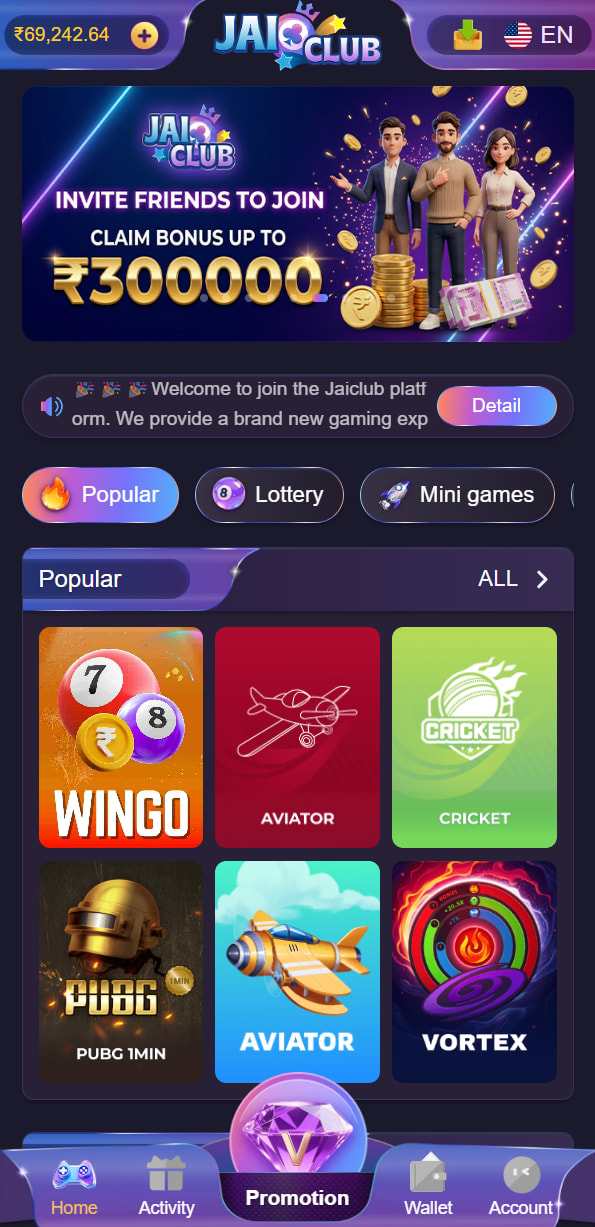
What Is Responsible Gambling?
Responsible Gambling means playing in a way that keeps entertainment first and protects your finances, emotions, and daily routine. When users visit the home page of Jai Club, the ideal mindset is simple: enjoy the platform as a leisure activity, not as a financial solution or emotional escape. This principle matters because the healthiest gaming experience is one where the user remains fully aware of how much time and money is being spent.
For Indian users, Responsible Gambling is especially relevant because mobile gaming access is growing rapidly across cities, towns, and regional language audiences. A safe platform experience means players can understand features clearly, make calm decisions, and step away whenever needed. It also means the operator offers tools such as clear account settings, support contact channels, transparent policies, and educational content that makes self-control easier in practice.
At Responsible Gambling, the idea is not to remove fun from gaming. Instead, it is to preserve fun by preventing stress, confusion, and harmful habits from taking over. A player who sets realistic expectations, knows personal limits, and uses the right controls is far more likely to enjoy a stable and positive experience over time.
Simple rule: Only play with money set aside for entertainment, only play when your mind is clear, and stop the moment the activity stops feeling balanced or enjoyable.
Why Responsible Gambling Matters on Jai Club
Responsible Gambling matters on Jai Club because a strong platform is built on trust, clarity, and user confidence. A player should never feel pushed into unsafe decisions, confusing promotions, or rushed financial actions. Instead, users should be able to understand their options, review their account details, and access important information without pressure.
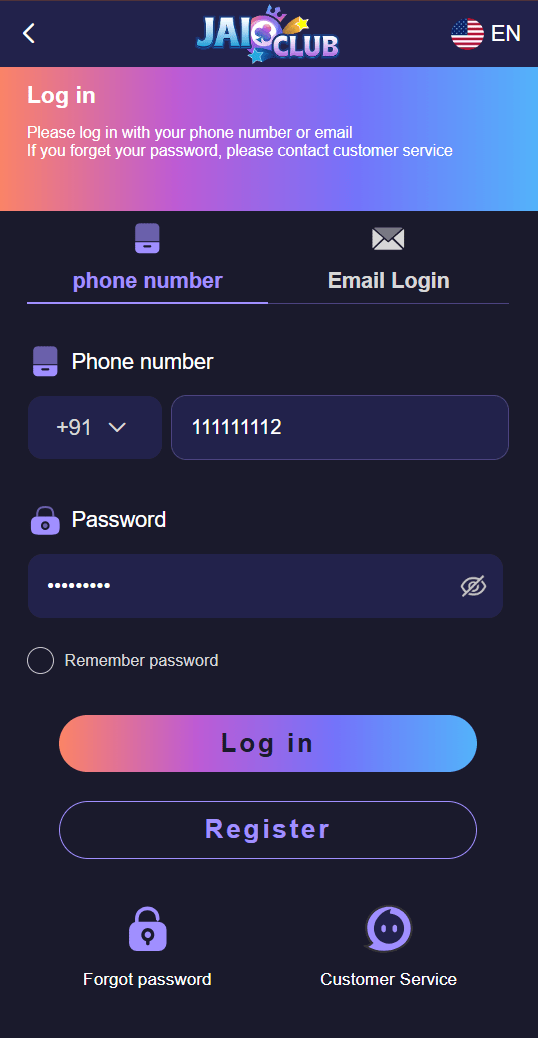
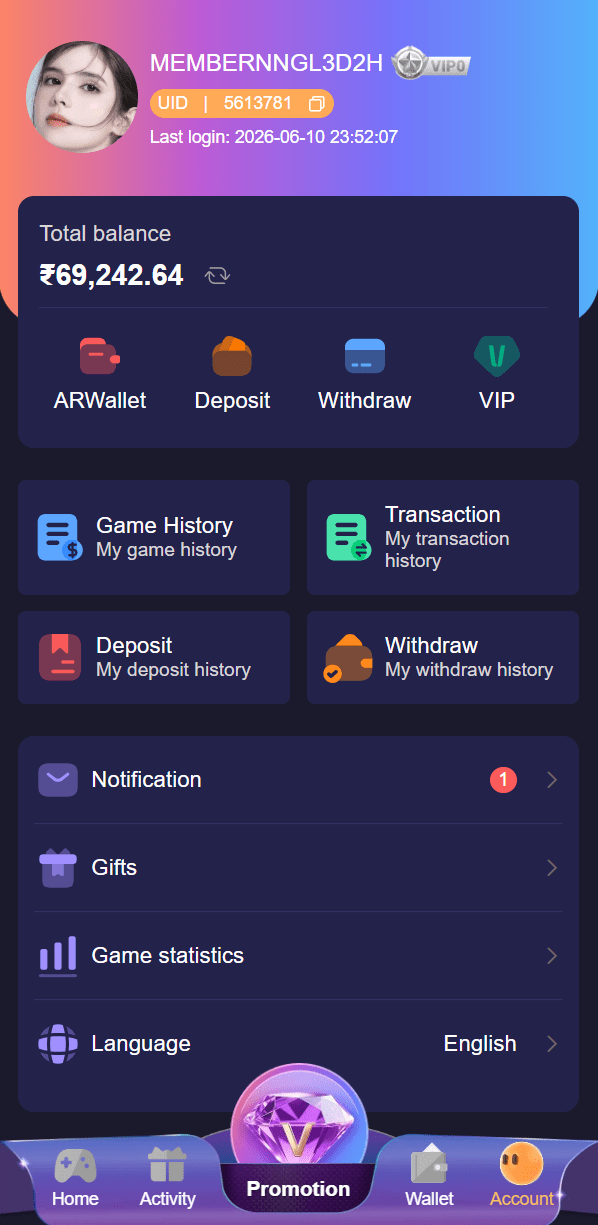
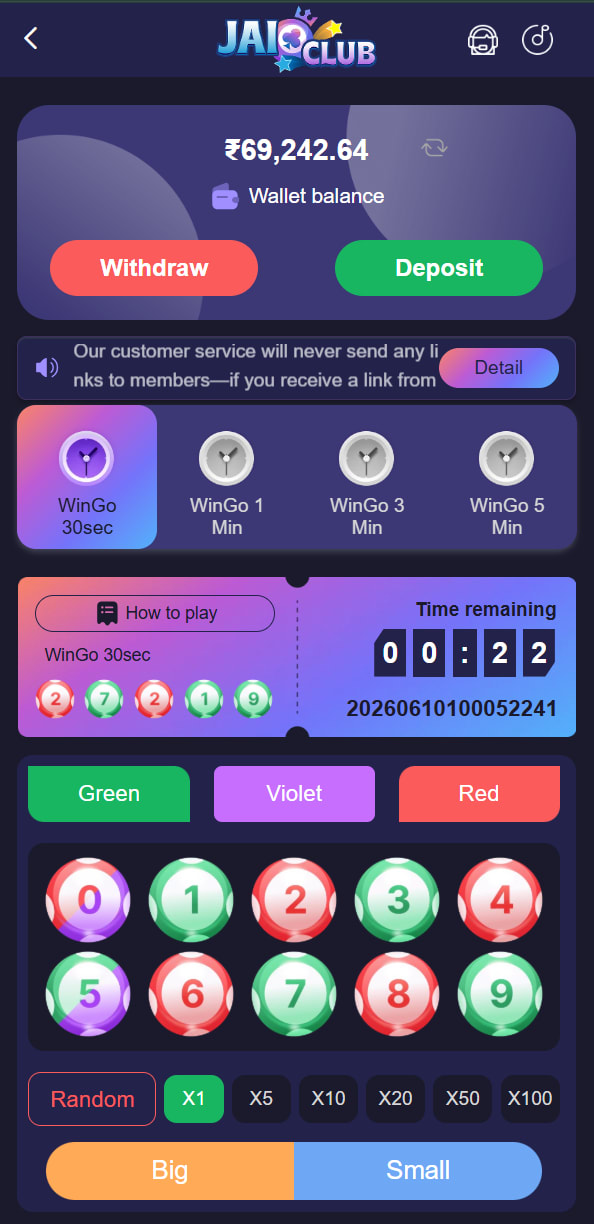
When someone completes a Jai Club login, the platform experience should feel transparent and manageable. That includes easy access to account sections, game categories, deposit and withdrawal areas, and support information. A user-first platform reduces anxiety by giving people the information they need before they play, while also making limit controls and help tools available if behaviour starts to drift away from healthy entertainment.
This matters even more in a competitive gaming environment where users may compare offers, features, and content from many websites. By guiding users toward informed decisions and safe habits, Jai Club creates a more sustainable experience. The goal is not just activity on the platform; the goal is long-term user comfort, trust, and personal control.
Users who want regional-language support can also explore Jai Club Hindi, where content can feel more accessible and easier to understand. Clear communication is an important part of responsible design, especially for users who want practical guidance in familiar language.
Gambling Should Be Entertainment, Not Income
One of the most important ideas behind Responsible Gambling is that gaming should never be viewed as a regular source of income. The excitement of outcomes, game mechanics, and real-time participation can be enjoyable, but that enjoyment becomes risky when a player starts treating results as a money plan. If a person begins playing with the expectation that winnings must cover rent, groceries, family expenses, or debt, the pressure becomes unhealthy almost immediately.
Healthy gaming begins with a realistic mindset. Whether someone is browsing Jai Club Games, exploring Jai Club lottery, or checking updates in Jai Club Blogs, the purpose should remain recreation. A user may sometimes win and sometimes lose, but neither result changes the central truth that gaming outcomes are uncertain and should never replace work, savings, or disciplined financial planning.
For Indian families managing household budgets carefully, this distinction matters a lot. Entertainment spending should always come after essential needs have already been handled. Once users understand this clearly, they are far less likely to chase results emotionally or put themselves under financial strain.
Who Should Not Gamble?
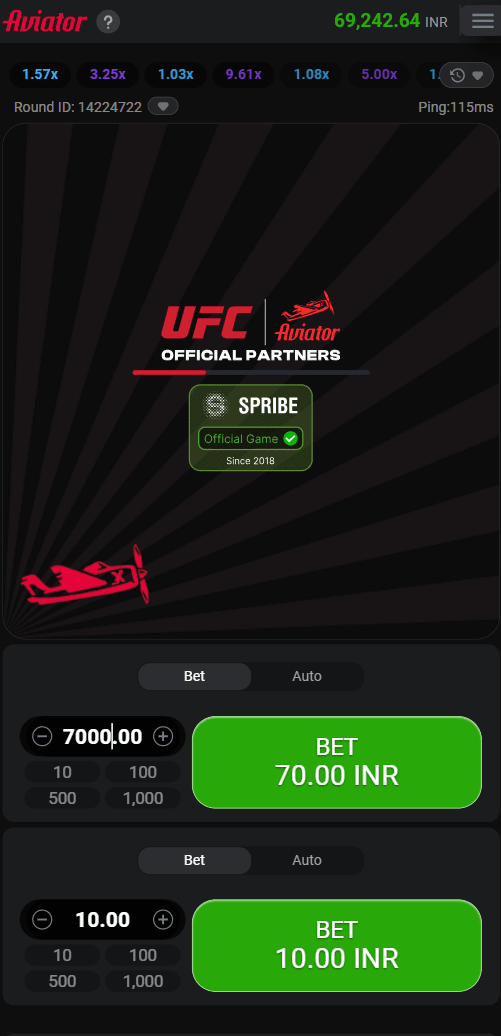
Responsible Gambling also means recognizing that gaming is not suitable for everyone at every stage of life. Anyone facing serious financial hardship should avoid gambling entirely. If a person is already under stress because of debt, unpaid bills, unstable income, or family expenses, adding uncertainty through gaming can worsen the situation rather than improve it.
People experiencing emotional strain should also step away. This includes those dealing with anxiety, depression, loneliness, anger, burnout, or any major life disruption. Gaming should not be used as a coping mechanism for pain, frustration, or personal problems. If someone is turning to online play mainly to escape pressure, numb difficult emotions, or regain a sense of control, that is a strong sign that they should pause and seek support instead.
Users under the influence of alcohol or substances should not play either, because good judgment depends on a clear state of mind. Responsible decisions about deposits, session time, and stopping points become much harder when thinking is impaired. These principles are part of a broader safe-use expectation that aligns with the platform standards described in the Terms of Service.
18+ Age Restriction and Underage Gambling Policy
Jai Club is strictly intended for adults aged 18 and above. Underage gambling is not allowed, and this policy exists to protect minors from financial and behavioural risks they are not equipped to manage. Real-money gaming requires maturity, legal eligibility, and the ability to understand consequences clearly.
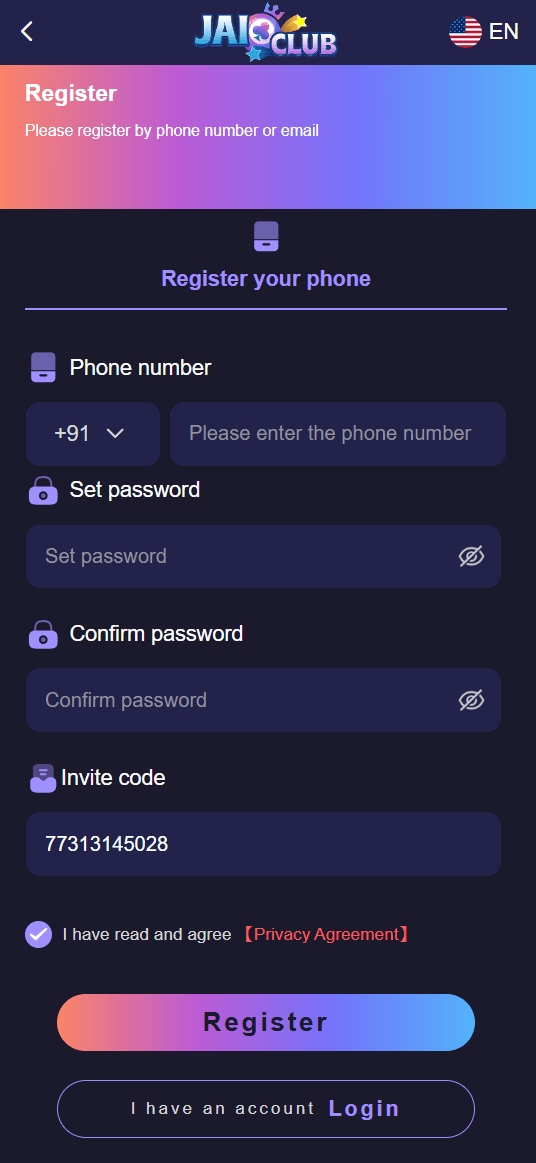
During the Jai Club Register process, users are expected to provide correct information, and accounts may be reviewed where necessary. If a minor attempts to access the platform, or if an adult allows a minor to use an account, that behaviour violates safety rules and platform policy. Adults should keep login credentials private, avoid sharing devices carelessly, and ensure children cannot access gaming interfaces or payment details.
If a family member or guardian notices any sign of underage access, the best step is to report it immediately through Jai Club Contact us. Fast reporting helps the platform review the matter quickly and maintain a safer environment for all users.
Limit Controls: Practical Ways to Stay in Control
Responsible Gambling becomes much easier when users rely on clear routines instead of emotion. Limit controls are helpful because they turn intentions into action. A person may want to play carefully, but during excitement or disappointment, that plan can weaken. Simple rules around money, time, and stopping points reduce the chance of impulsive decisions.
How to Set a Daily Deposit Limit
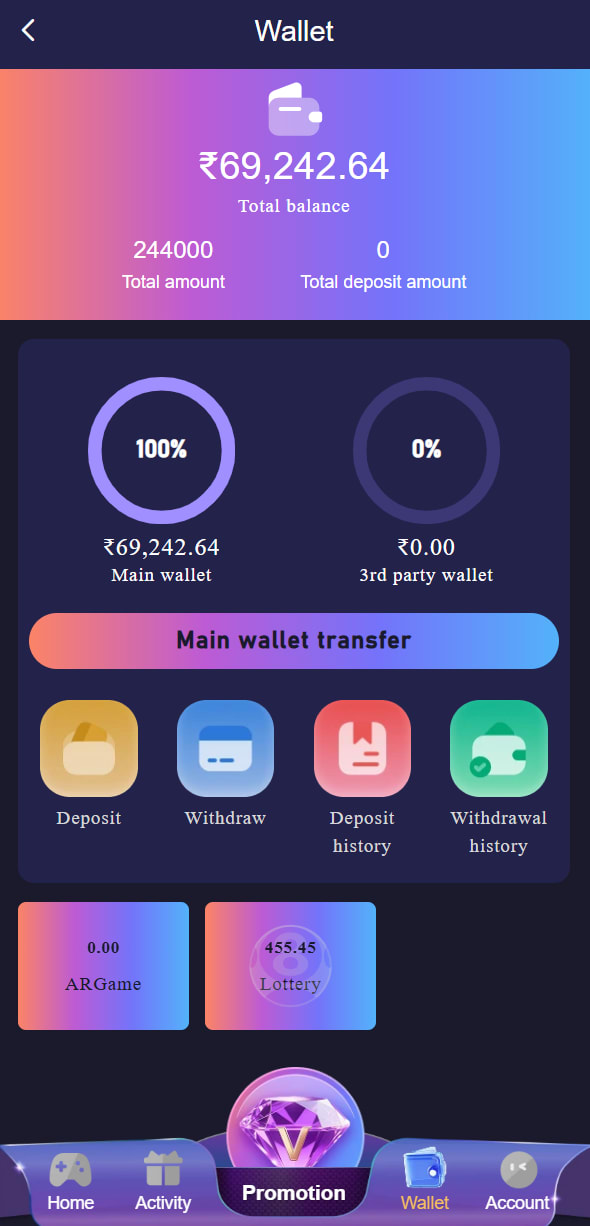
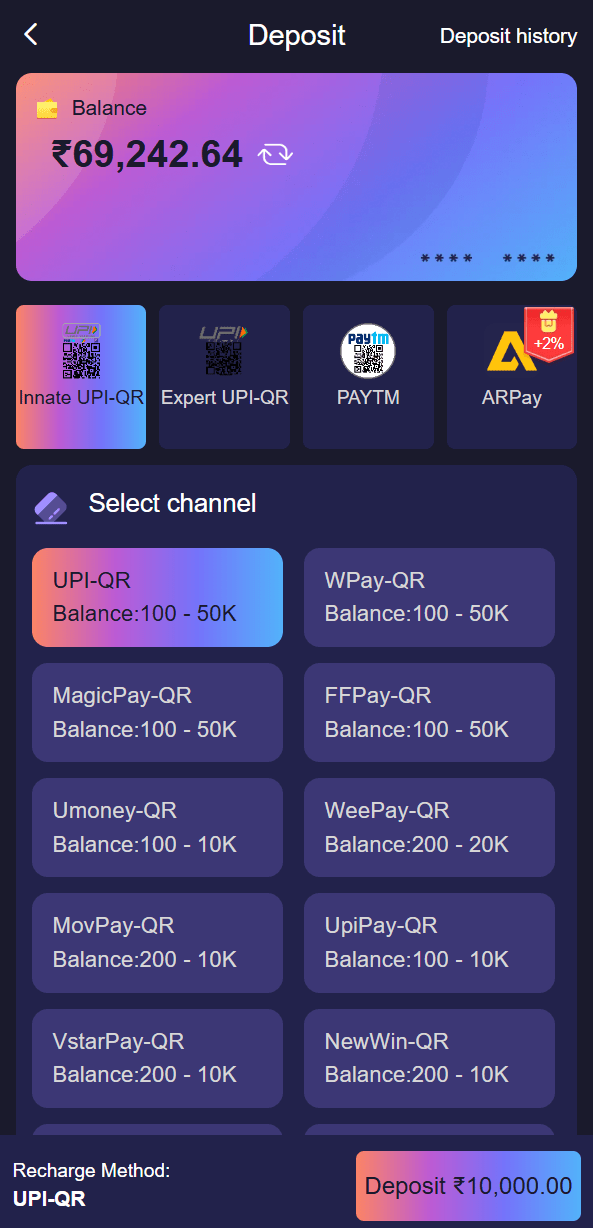
A daily deposit limit helps cap the amount of money a user can add within a set period. This is one of the strongest tools for protecting a personal budget. Before making any deposit, decide how much money can safely be used for entertainment without affecting monthly needs. That number should be small, realistic, and fully separate from rent, school fees, family support, savings, food, medicine, or utility payments.
Once your number is fixed, follow it strictly. Users exploring account options, wallet history, or the Jai Club Download page should keep financial discipline in mind from the beginning instead of waiting until losses occur. A planned cap always works better than a last-minute promise to stop later.
How to Set a Time Limit Before Playing
Time limits protect more than just your schedule. They also protect your concentration and judgment. Before opening a game, decide how long the session will last, whether that is 20 minutes, 45 minutes, or one hour. When the time ends, close the session even if it feels tempting to continue. A limit is useful only when it is respected.
Time boundaries are especially important for mobile-first users in India who may play during commutes, evenings, or short breaks in the day. Without a limit, quick sessions can easily stretch into long, unplanned stretches that affect sleep, work, or family routines.
How to Create a Personal Gambling Budget
A personal gaming budget should be made just like any other entertainment budget. First calculate your monthly income and regular expenses. After essentials and savings are set aside, identify a small amount that you are completely comfortable losing without regret. That amount is the maximum entertainment budget, not the target deposit. Good budgeting removes emotion because the decision is made before the first game begins.
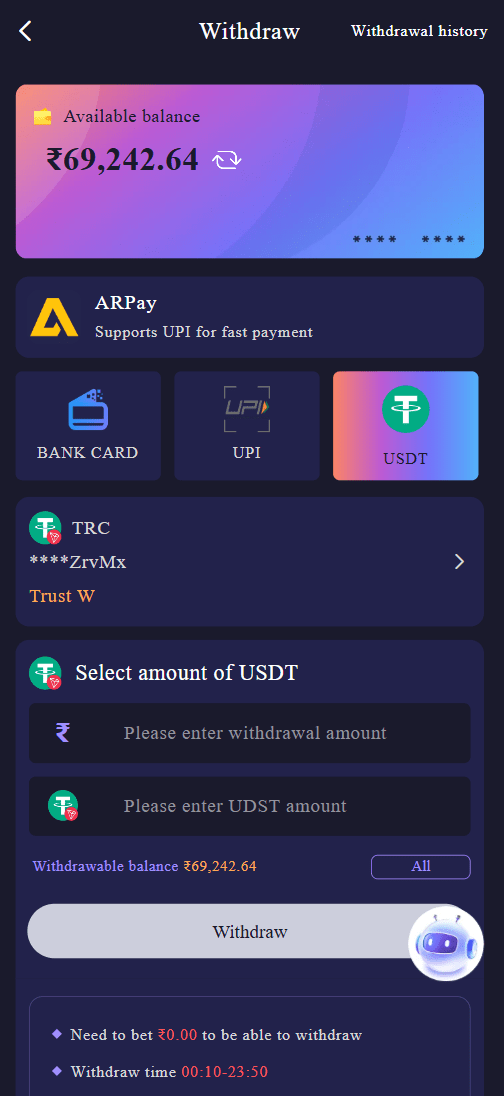
It also helps to track deposits and withdrawals regularly. Users checking transaction visibility, bonus sections, or Jai Club Withdrawal Proof should keep a realistic view of their own spending. Responsible Gambling is easier when numbers stay visible instead of vague.
Why You Should Never Chase Losses
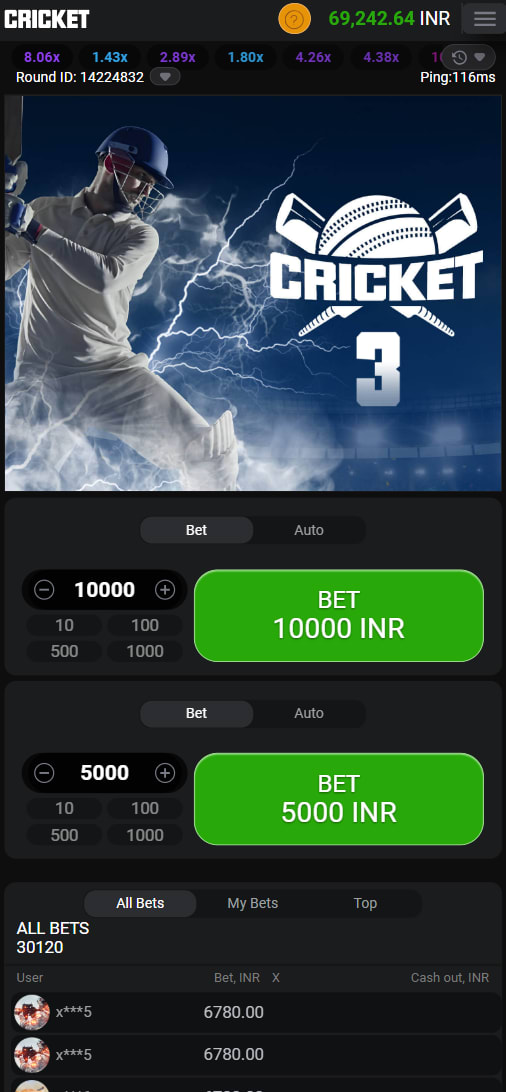
Chasing losses happens when a user keeps playing mainly to recover money that has already been lost. This is one of the clearest signs that entertainment has turned into emotional decision-making. The more a player tries to recover quickly, the more likely it becomes that limits, judgment, and patience will disappear.
The healthiest response to a loss is acceptance. If the session budget is over, the session should end. Losses are part of the uncertainty of gaming, and trying to force a reversal usually increases pressure instead of solving it.
Why You Should Never Borrow Money to Play
Borrowing money for gaming is always unsafe. It creates a double burden because the user is no longer just dealing with the outcome of play, but also with repayment pressure. Borrowed money from friends, relatives, digital lending apps, credit cards, or short-term loans should never be used for gaming activity.
Once borrowed money enters the picture, the mindset shifts away from leisure and toward desperation. Responsible Gambling depends on using only discretionary funds that belong to you and that you can afford to lose fully.
How to Take Regular Breaks During Play
Breaks are a simple but effective reset tool. After a fixed amount of play, step away from the device, drink water, stretch, or do something completely unrelated for a few minutes. These short pauses reduce emotional momentum and help users reassess the session more calmly.
Breaks are especially useful after either a strong win or a frustrating loss. Both situations can create impulsive follow-up decisions, so a short pause protects clarity.
When to Stop Playing Even If You Are Winning
Many users think stopping is only important after losses, but strong control is also needed during winning periods. Winning can create overconfidence and encourage longer sessions than planned. A user who begins with a fixed target and then stops at that point is often acting far more responsibly than someone who keeps stretching a good run.
If you are ahead, consider ending the session on that positive note and stepping away. The purpose of Responsible Gambling is not to stay online for as long as possible. The purpose is to stay balanced.
Risk Signs: How to Recognize Trouble Early
Problem gambling usually develops gradually, which is why early awareness is so important. A person may begin with harmless entertainment and then slowly become more emotionally dependent, financially stretched, or behaviourally secretive. Responsible Gambling depends on recognising those changes before serious damage happens.
Warning Signs of Problem Gambling
Common warning signs include playing longer than intended, spending more than planned, constantly thinking about the next session, or feeling unable to stop at a sensible point. Another important sign is secrecy. If a user starts hiding deposits, downplaying session length, or becoming defensive when others ask simple questions, there may already be a problem.
Emotional Signs
Emotional warning signs often show up before financial damage becomes obvious. These can include irritability when not playing, mood swings linked to gaming outcomes, anxiety after deposits, restlessness, guilt, or using gaming to escape loneliness or stress. When emotions become strongly tied to gaming results, the activity is no longer serving a healthy entertainment role.
Financial Signs
Financial signs are often easier to measure. These include emptying savings, delaying important payments, depending on salary advances, repeatedly adding more money after losses, or struggling to explain where money has gone. Users should be especially careful if gaming starts interfering with family obligations or basic monthly planning.
Behavioral Signs
Behavioural signs may include neglecting work, skipping studies, withdrawing from family life, spending excessive time alone online, or losing interest in hobbies that were once enjoyable. Some users also become unusually fixated on bonuses, fast recovery attempts, or repeated checking of results even outside actual play time.
How to Know If Gambling Is Affecting Daily Life
A simple question can help: is gaming making daily life easier, or harder? If sleep quality is worsening, work performance is dropping, relationships feel tense, or concentration is lower because the mind stays on gaming, the impact has become negative. A balanced hobby fits inside life. An unhealthy pattern begins to dominate it.
Help Tools and Support for Gambling Control
Responsible Gambling is most effective when users know exactly where to go for help. Strong support tools should make it easier to pause, limit access, ask questions, and seek outside assistance when needed. Good UX in this area means the path to control is clear, direct, and free from unnecessary obstacles.
Self-Exclusion: How to Block Your Account Temporarily or Permanently
Self-exclusion is one of the most important safety options available to users who feel they are losing control. It allows a player to block access to the account for a chosen period or, in some cases, on a permanent basis. This is useful when self-discipline alone no longer feels reliable. A formal block creates distance between the user and the platform, which can reduce impulsive returns.
If you believe this step is needed, go directly to the Responsible Gambling area or contact support through Jai Club Contact us. Fast action is better than waiting for another stressful session.
Cool-Off Periods and Time-Out Tools
Not every user needs a long exclusion period. Sometimes a short cooling-off window is enough to reset perspective. A time-out of 24 hours, several days, or a few weeks can help users regain routine, reflect on recent behaviour, and make decisions more calmly. Short pauses are especially useful after chasing losses, emotionally intense sessions, or repeated unplanned deposits.
How to Contact Support for Gambling Control Help
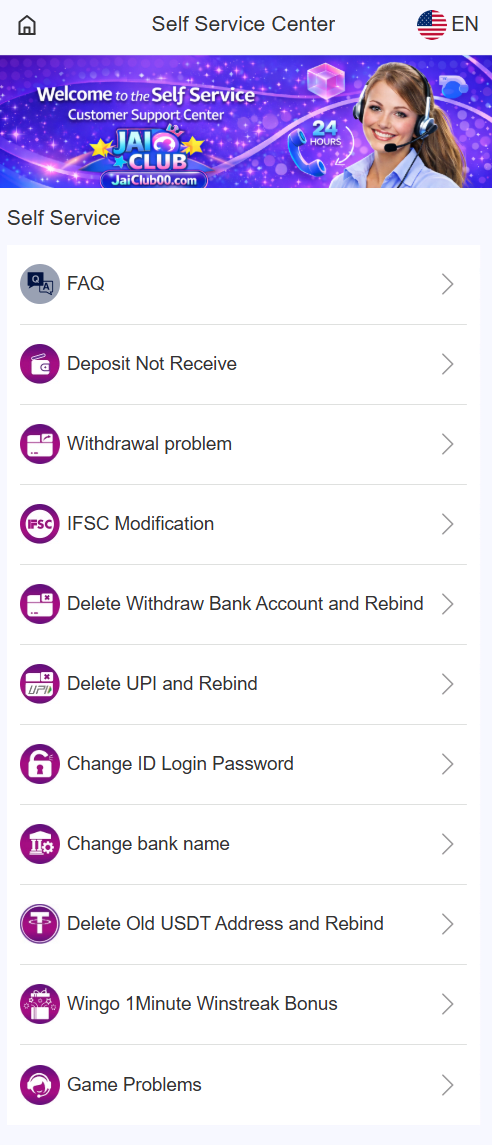
Support channels are an important part of user safety. If you need help understanding account restrictions, break tools, or self-exclusion options, use the official Jai Club Contact us page. Users can also keep up with updates through the Jai Club Telegram Channel, but direct support contact is the better option for personal account control issues.
How Family Members Can Spot Gambling Harm
Family members often notice behaviour changes before the user admits there is a problem. Warning signs can include unexplained money issues, secrecy around the phone, irritability, broken routines, or emotional reactions that seem out of proportion to everyday situations. Loved ones should focus on concern and support instead of blame, because shame often pushes the problem further underground.
Where to Get Professional Help in India
When online tools are not enough, professional help is the right step. Indian users can look for licensed psychologists, psychiatrists, de-addiction counsellors, and mental health centres in their city. Reputed mental health institutions and hospital-based counselling services can provide structured support, especially when gambling behaviour is linked to stress, depression, or other compulsive patterns.
External Support Resources and Helplines
Support can also come from peer groups, counselling networks, and helpline services focused on behavioural harm. The key point is not to handle the issue alone once it begins affecting daily life. Asking for help early can protect finances, relationships, and mental well-being.
Users should also understand how data and account information are handled when interacting with official site services. For that, review the Privacy Policy. For broader platform information, additional updates, and page-level resources, users may also browse Jai Club Blogs, Jai Club Gift Code, and Jai Club Games responsibly and within personal limits.
Frequently Asked Questions
Responsible Gambling means using Jai Club in a controlled, entertainment-focused way. It includes setting limits, avoiding emotional play, protecting your budget, and using support tools whenever needed.
No. Gaming should not be treated as salary, business income, or a replacement for disciplined financial planning. It should stay a leisure activity only.
Anyone under 18, anyone facing financial crisis, people under serious emotional strain, and users with addictive or compulsive behaviour should avoid gambling.
You can use Jai Club Contact us for account-related support and safety guidance. You can also check the official Jai Club Telegram Channel for updates.
Helpful pages include Jai Club login, Jai Club Register, Jai Club Download, Jai Club Hindi, and Terms of Service.