 Jai Club Privacy Policy
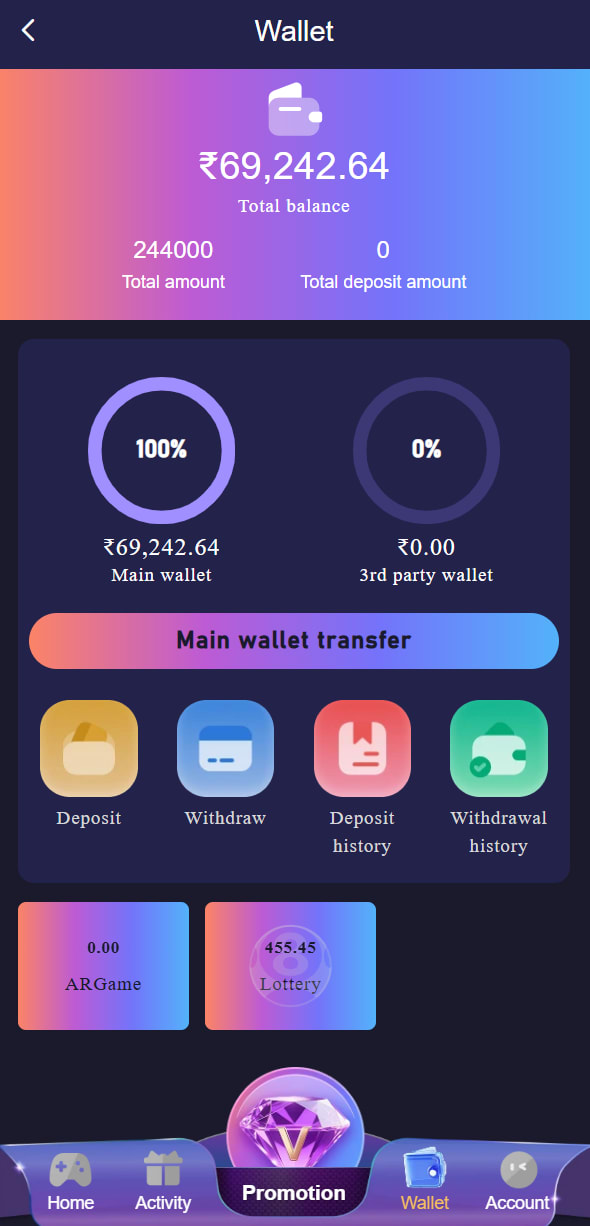
Wallet and balance view
This visual supports the Jai Club Privacy Policy discussion of wallet activity, account balance, and quick mobile access.
This Jai Club Privacy Policy page explains how account details, login activity, device data, cookies, wallet flows, and support requests are handled across the platform in a simple and transparent way for Indian users.
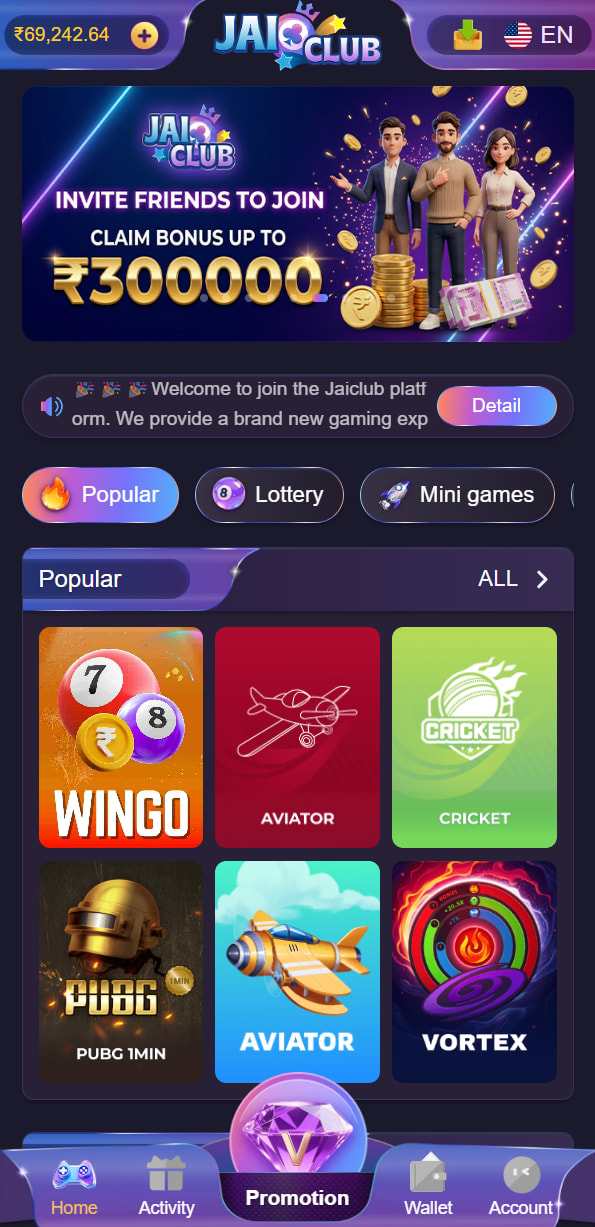
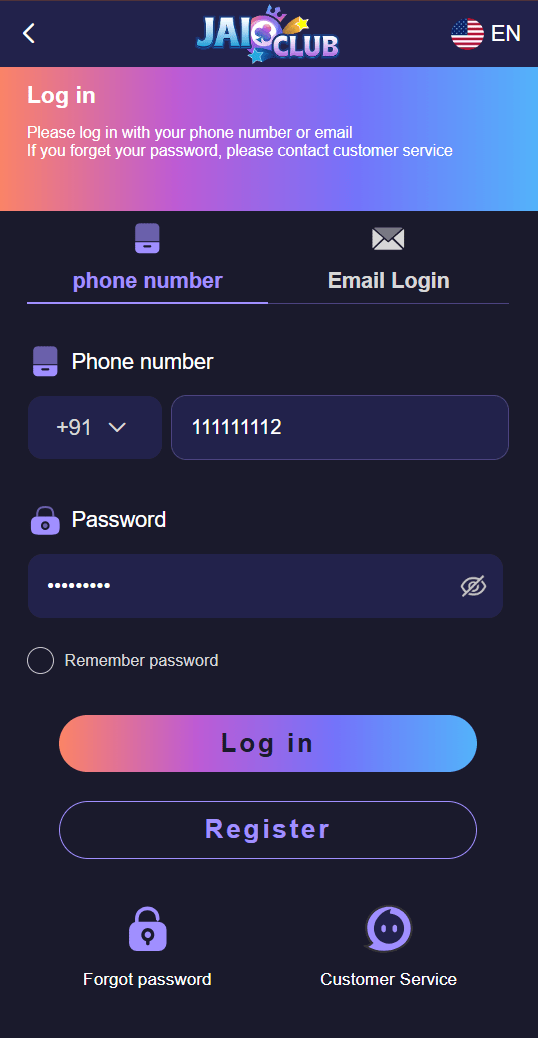
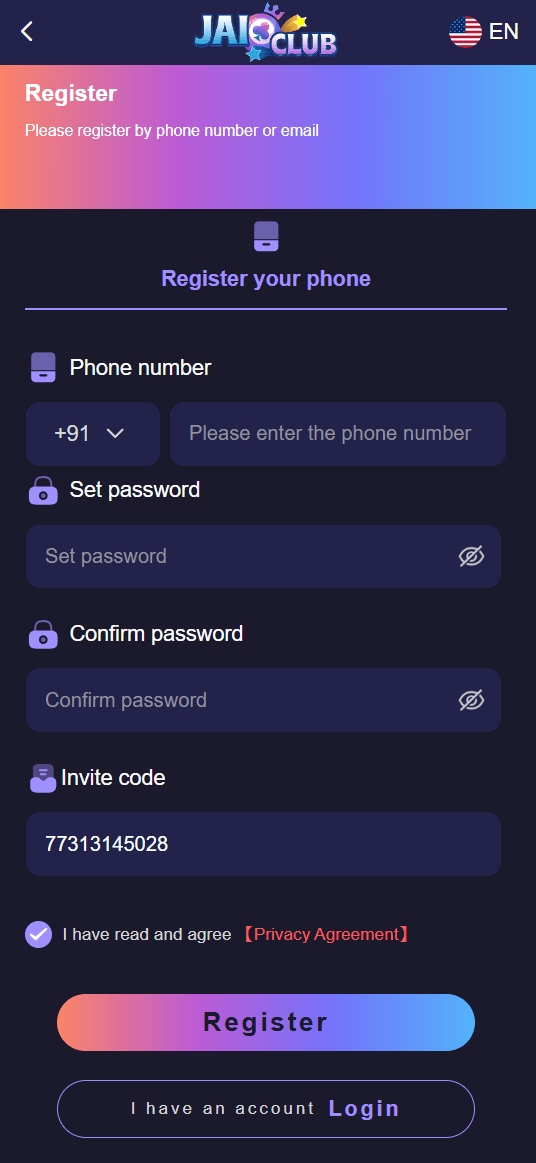
Selected interface visuals create a premium article feel while keeping the page balanced, modern, and easy to browse on mobile devices.
This visual supports the Jai Club Privacy Policy discussion of wallet activity, account balance, and quick mobile access.
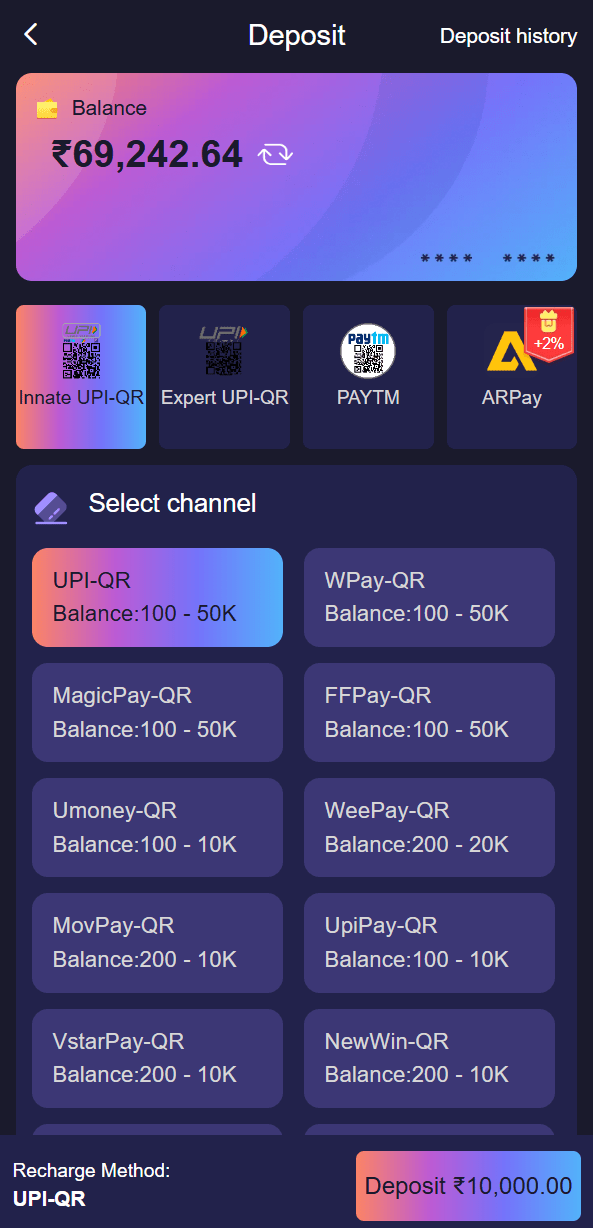
The image helps explain payment journeys, UPI-friendly actions, and the practical side of a Jai Club Privacy Policy.
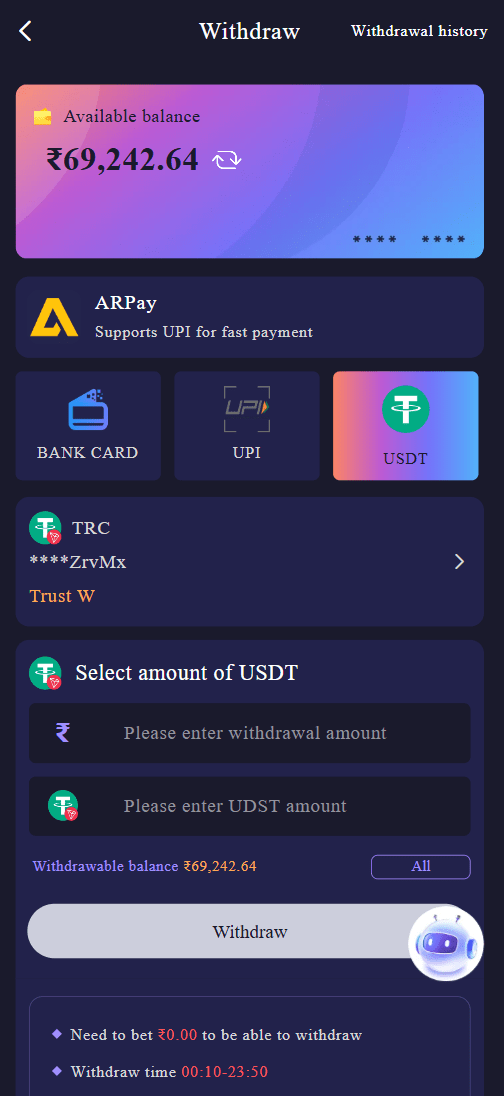
Designed for clarity, this supporting image matches the account, support, and data handling themes of the Jai Club Privacy Policy.
Jai Club Privacy Policy is written to help users understand what happens to their information when they visit the platform, create an account, log in, browse games, contact support, or use mobile features tied to account access and wallet actions. It is designed for Indian users who want a clear explanation without confusing legal language, and it aims to set a calm, professional tone from the first line. You can also visit Jai Club for the main brand experience and use the same ecosystem across login, registration, and account support.
A privacy policy is a plain-language explanation of how a website handles personal information. It tells users what data may be collected, why it is collected, who may receive it, how long it is kept, and what choices a user may have about it. For a platform like Jai Club Privacy Policy, this document becomes especially important because users may interact with the site through mobile devices, login screens, promotional pages, wallet sections, and customer support channels. The policy works as a bridge between the user experience and the platform’s responsibility to handle information carefully and consistently.
In practice, a privacy policy should answer the everyday questions users actually have. For example, a user may want to know whether their phone number is used only for login or also for service updates, whether their device information is stored when they access the site from a browser, or whether payment-related details are passed to a processor during a UPI or wallet transaction. Jai Club Privacy Policy addresses those questions in a way that is easy to scan, easy to trust, and easy to revisit later. It is meant to inform, not overwhelm, which is why the structure uses clear sections and direct language.
For Indian users in particular, a privacy policy often needs to speak to familiar digital habits. Many users prefer quick mobile access, fast OTP-style sign-ins, UPI payments, and support through chat or form submissions. That means the policy should be written with those flows in mind, not as an abstract legal document detached from how the site actually works. Jai Club Privacy Policy is built around that idea so the article feels practical, relevant, and aligned with the user journey from first visit to ongoing account use.
When a user reads Jai Club Privacy Policy, the first thing they should understand is who is operating the service and who is responsible for the information collected through it. In a simple sense, the platform operator decides how personal data is collected, used, stored, and shared according to the systems and service flows available on the site. That means account-related data, login details, usage logs, and support communications are handled under a single operational framework rather than being scattered across unrelated vendors. This creates a clearer experience and helps users know where their information sits within the platform structure.
Data control also matters because users need to know which entity is handling their details when they sign in, submit a request, or interact with promotional features. A good privacy policy should not pretend that every function is local or manual; modern web platforms often depend on hosting providers, analytics tools, payment partners, and customer support systems. Jai Club Privacy Policy therefore explains that the platform controls the main policy decisions while certain operational partners may process limited data under instructions that support the service. This is how the site can remain functional, secure, and responsive without losing clarity about accountability.
For users in India, this clarity matters even more when a mobile browser is the main access point. A user may log in from Delhi, Pune, Jaipur, or any other city and expect the same account structure, the same privacy rules, and the same support flow. Jai Club Privacy Policy is designed to reflect that consistency. It also helps users understand that the platform’s official communication channels and internal pages, such as the main site, login area, terms page, and contact page, are part of a connected brand environment rather than separate experiences.
Jai Club Privacy Policy covers information that users provide directly when they create or manage an account. This may include a mobile number, login credentials, display name, contact preferences, and any profile details entered during registration or later account updates. If a user reaches out to support, the platform may also collect the message itself, attachments, screenshots, or other details the user chooses to include. Because users often prefer quick, mobile-first interactions, the platform is designed to keep direct data collection limited to what is actually needed for account access, service communication, and support handling.
Direct information can also come from actions that seem simple but are important in practice. For example, when a user updates a password, submits a form, requests account assistance, joins a promotion, or responds to a verification prompt, the system may store the relevant inputs so the request can be completed. In a gaming or entertainment environment, these details help maintain a consistent account state across login sessions and support interactions. The policy therefore treats direct submissions as part of the normal service record, with the understanding that those records are used for legitimate operational purposes rather than unrelated marketing experiments.
In Indian usage patterns, users often move quickly between the homepage, login screen, download information, and support contact page. Jai Club Privacy Policy therefore assumes a practical workflow: a user may register once, log in repeatedly, and contact support only when needed. That means the information collected directly from the user should remain relevant to the account lifecycle. The goal is not to collect more than necessary, but to keep account access easy, reliable, and transparent while still supporting service quality.
Like most modern web platforms, Jai Club Privacy Policy also explains that some information is collected automatically when the site is visited or used. This can include browser type, device model, screen size, operating system, referring page, session timestamps, interaction paths, and general usage patterns. Automatic collection helps the platform understand performance, detect errors, and make sure pages load properly on a wide range of Indian mobile devices and desktop browsers. Without this layer of information, it would be much harder to deliver a smooth and consistent experience to users.
Automatic data collection is not only about analytics; it also supports basic functionality and account continuity. If a user switches between devices, for instance from a phone to a laptop, the system may still need to identify broad session characteristics so the login experience works correctly. If a page loads slowly or a button does not behave as expected, usage data may help the platform isolate the problem. Jai Club Privacy Policy frames this collection as a support tool for reliability and improvement, not as a way to complicate the user journey.
Another important part of automatic collection is recognizing how users move through the website. Pages such as home, login, register, game listings, blog pages, and support pages can all generate navigation data. This helps the platform determine which layouts are working well and which sections may need refinement. For a premium, responsive site, those insights are valuable because they help the interface stay clean, fast, and easy to use even when users arrive from different regions and devices across India.
Jai Club Privacy Policy also recognizes that some information may come from third parties that help the platform operate. These may include payment service providers, hosting partners, analytics tools, anti-fraud systems, or support platforms that pass along limited technical or transactional details. In many cases, these sources are used to validate interactions, process requests, or improve the overall functioning of the site. The important point is that third-party collection should be limited, relevant, and connected to a real service need.
Third-party information can also help fill in the operational picture when a user interacts with payment or verification flows. For example, if a deposit or withdrawal request is processed through an external service, the platform may receive confirmation data, reference numbers, status updates, or reconciliation details. This does not mean the platform is absorbing every detail from those services; rather, it receives the specific information needed to complete the user action and keep account records accurate. Jai Club Privacy Policy treats that data as part of the support structure around transactions and account management.
Users in India are familiar with digital ecosystems where one action may pass through several trusted systems in the background. A mobile user might sign in on one screen, complete a payment elsewhere, and later receive support from a different interface. The policy therefore explains these third-party relationships in a straightforward way so the overall model is not confusing. The result is a more honest and user-friendly account of how modern platforms actually work.
The main reason Jai Club Privacy Policy collects information is to operate the platform effectively and give users a reliable experience. Information helps create and maintain accounts, provide access to the right features, respond to support requests, deliver service messages, manage security checks, and improve the interface over time. Without some information, the site would not be able to recognize users, remember preferences, process account actions, or support a stable login environment. The policy therefore connects data collection to practical outcomes that users can understand.
Another reason for collection is performance improvement. A privacy policy is not only about what data is collected, but also why it matters. Usage patterns can reveal whether users are finding pages quickly, whether forms are easy to complete, or whether mobile layouts need refinement. For Indian audiences, these improvements matter because users often access services on varying network speeds and devices. Jai Club Privacy Policy reflects that reality by linking collection to smoother performance, clearer navigation, and a more dependable account journey.
There is also a support and communication dimension. If a user submits a question, the platform may need the mobile number, session history, or account context to answer properly. If a login issue occurs, the platform may need to understand where the failure happened. If a user wants help with deposits, wallet status, or account settings, a few relevant data points can make the response faster and more accurate. In all of these cases, collection serves the user experience rather than standing apart from it.
Jai Club Privacy Policy treats account data and login details as essential operational information. A mobile number, username, password, OTP, or similar credential is used to identify the account holder and allow access to the correct dashboard or service area. These details may also be used to help prevent unauthorized access, restore access when needed, and make sure the account remains linked to the correct user. When a login flow is designed well, it feels quick and simple; behind that simplicity is a secure handling process that depends on careful use of the right data.
Account data can also support ongoing service continuity. For example, if a user changes a password, logs in from a new device, or requests help with account recovery, the platform may need to compare stored records with the new request. Jai Club Privacy Policy explains that these records are used to support the account lifecycle from registration through routine access and support. This helps avoid repeated friction while keeping the user experience organized.
For Indian users who prefer short, mobile-led sessions, login details often become the main connection between the user and the platform. A user may visit the homepage, tap Login, and go directly to the account area with minimal steps. That convenience is valuable, but it depends on the responsible handling of credentials and linked account information. Jai Club Privacy Policy therefore keeps login data in focus as a core part of service delivery rather than treating it as a minor technical detail.
Analytics and usage information help Jai Club Privacy Policy explain how the platform improves user experience over time. These data points can show which pages are visited most often, how long users spend on a page, where they click, and whether certain sections are confusing or slow. In a premium interface, analytics are used to refine the structure so the site feels smoother and more intuitive. They also help the platform understand device trends, such as how mobile visitors behave compared with desktop visitors.
Usage data is especially useful for identifying areas that need simplification. If a support page is used heavily, that may mean users want clearer contact options. If a game listing or promotion area gets lots of visits, that may suggest the content is engaging and well placed. Jai Club Privacy Policy ties this information to usability rather than to intrusive profiling. The objective is to shape a more responsive product that feels useful to the people actually visiting it.
For users across India, analytics can also help improve consistency on different networks and screens. Someone using a budget Android phone on a slower connection may need a lighter layout than someone browsing on Wi-Fi from a laptop. Usage information helps the platform understand those differences and make better design choices. The result is a more polished experience that still feels practical and inclusive.
Cookies and similar tracking technologies are often used to keep websites functional and personalized. In the context of Jai Club Privacy Policy, cookies may help remember preferences, keep a session active, support basic navigation, and measure how the site performs over time. This can reduce repetitive steps for users and make the browsing flow more efficient. The policy treats cookies as a technical tool that supports convenience, not as an unnecessary complication.
Tracking technologies can also help the platform understand how people move between the homepage, login, register, blog, games, and support pages. That information can be useful for fixing broken paths or improving the order of content. For a mobile-first audience, a few well-placed adjustments can make a big difference. Jai Club Privacy Policy therefore frames cookies as part of the user experience infrastructure that keeps the site responsive and polished.
Users should also know that browser settings usually provide some level of control over cookies. A browser can often block, delete, or limit certain types of stored data, depending on the device and settings used. That means the user has practical control over some tracking behavior even while the platform continues to rely on cookies for essential functions. Jai Club Privacy Policy acknowledges that balance so the explanation remains realistic and easy to understand.
Device and IP address information help Jai Club Privacy Policy maintain security, performance, and session integrity. A device type, browser version, operating system, or IP address can reveal whether a session is likely to be legitimate and whether the site is loading correctly for that visitor. These data points also help with troubleshooting, such as identifying why a login page may not render properly or why a request may be failing from a particular network. In this sense, technical data is part of the service’s quality control system.
IP data can also support general safety monitoring and location-aware service consistency without exposing more than necessary. For example, if a user logs in from a new region or device, the platform may use that information to understand whether the access pattern is ordinary or unusual. Jai Club Privacy Policy does not present this as a dramatic process; it is simply one of the ways modern websites keep account access orderly and stable. Users benefit when the system can spot problems early and respond appropriately.
Indian users often move between home Wi-Fi, mobile data, office networks, and public connections. Those changes can alter the IP address and sometimes affect page performance or session behavior. By using device and IP information carefully, the platform can adapt to these realities and keep the experience as smooth as possible. That practical approach helps preserve the sense of a premium product even when users are switching between networks.
Jai Club Privacy Policy explains that data sharing, where it happens, should be limited and purposeful. The platform may share information with third parties only when a service function requires it, such as hosting, analytics, payment processing, support handling, or fraud prevention. The purpose is not to distribute personal data widely, but to let the service operate correctly across the systems that make modern websites possible. A clear policy sets expectations so users understand the difference between operational sharing and unrelated disclosure.
Any sharing should follow a principle of relevance. That means only the information needed for a specific operational role should be shared, not every available data point. For example, a payment processor may need transaction details to complete a transfer, while a support vendor may need a ticket message to answer a question. Jai Club Privacy Policy emphasizes the practical reason for each share so the user can see the logic behind the process.
For users in India, this topic matters because many digital services rely on distributed systems. A simple action such as opening an account, confirming a payment, or receiving a support response may involve more than one service provider. The policy therefore explains sharing in a calm, transparent style instead of hiding the fact that modern platforms are interconnected. That approach helps users trust the system because they can understand it.
When users complete wallet or UPI-related actions, Jai Club Privacy Policy notes that limited payment information may be exchanged with the relevant processor or gateway. This can include transaction IDs, status confirmations, reference data, and the basic details required to reconcile deposits or withdrawals. The platform does not need every payment detail to operate; it usually only needs enough information to complete the transaction and maintain accurate account records. This keeps the flow efficient while still supporting the user’s request.
UPI and wallet use are especially common in India, so the privacy explanation should be simple enough for everyday users to understand. If a user chooses to add funds, check a balance, or review a transfer, the supporting systems may process part of that action in the background. Jai Club Privacy Policy explains that such sharing is tied directly to the transaction and is not meant for unrelated use. This is an important distinction because it helps users feel confident that their financial interactions remain purposeful and bounded.
It is also useful to remember that payment processors may have their own privacy practices for the parts of data they handle. That does not make the user experience confusing; it simply reflects how payment ecosystems work. By stating this clearly, Jai Club Privacy Policy gives users a more realistic picture of the payment journey. For a brand page that blends article content with account access, this level of clarity improves trust and usability at the same time.
Jai Club Privacy Policy may involve vendors that provide hosting, analytics, content delivery, email services, or customer support tools. Hosting vendors keep the site available and responsive, analytics vendors help measure performance, and support vendors help route or respond to user requests efficiently. Each of these relationships is part of the modern web stack and exists so the platform can stay fast, reliable, and easy to maintain. The policy describes these vendors because transparency is more useful than pretending the site runs entirely on its own.
These vendors should receive only the information required for the specific job they perform. A hosting service may see server logs, while an analytics tool may process page activity, and a support platform may receive a ticket message. Jai Club Privacy Policy treats those flows as functional necessities rather than broad permissions. This keeps the emphasis on user value, because every third-party role should connect to an actual service benefit.
For Indian users, vendor-backed support matters because quick responses often depend on structured systems rather than manual follow-up alone. Whether a user asks about login access, account recovery, or a wallet issue, the platform may use support tools to manage the request efficiently. That means the privacy policy should describe those tools in a readable, no-nonsense way. Doing so makes the page feel more complete and professionally managed.
Jai Club Privacy Policy should explain that information is kept only for as long as it is needed for service, legal, security, or operational reasons. Account records may remain available while the account is active, while transaction records may be kept long enough to complete reconciliation, support, or audit-related needs. Other data, such as temporary logs or session information, may be retained for shorter periods depending on technical requirements. The basic idea is simple: keep what is needed, and do not keep what is no longer useful.
Retention periods vary depending on the type of information. A support message may be retained long enough to resolve the issue and review the case if needed later. A login history entry may be kept for security monitoring or troubleshooting. Jai Club Privacy Policy keeps this topic practical rather than abstract by tying retention to real-world uses. That approach helps users understand why some records are removed sooner and others stay longer.
From a user’s point of view, retention should feel reasonable and purposeful. People do not expect a website to delete everything instantly, but they do expect the platform to avoid unnecessary storage. By explaining that balance, the policy supports confidence without overpromising. Users can see that the platform is trying to be both functional and thoughtful in how it handles records.
When information is no longer needed in its original form, Jai Club Privacy Policy may rely on deletion or anonymization practices. Deletion removes data from active use according to the platform’s retention rules, while anonymization makes the data no longer directly tied to a specific user. These methods are useful because they allow the platform to reduce stored personal information while still keeping some non-identifiable records for analysis or service history. In a well-managed system, less sensitive data storage is usually a good sign of discipline.
Anonymization is especially useful for trend analysis and product improvement. For example, the platform may want to understand how users interacted with a page over time without keeping the individual identity attached to that pattern. Jai Club Privacy Policy explains this so the user understands that not every record must remain personally identifiable forever. The broader goal is to preserve useful operational insights while reducing the footprint of identifiable data.
Deletion and anonymization also support a cleaner account lifecycle. If a user closes an account or requests removal of specific records where possible, the platform may use these methods depending on legal and technical constraints. That means the process is not always all-or-nothing, but it should still be meaningful and clear. Jai Club Privacy Policy presents these practices as part of a responsible data management approach.
Jai Club Privacy Policy should make access requests understandable and manageable. A user may want to know what information is stored, how it is being used, or what account details are currently associated with the profile. In such cases, the platform can provide access through support channels or account-based review steps, depending on the type of information requested. Clear access rights help users feel in control rather than left guessing about what the platform knows.
Access requests are most useful when they are simple to make and specific enough to handle properly. For instance, a user might ask for account profile details, recent activity information, or a summary of stored contact data. Jai Club Privacy Policy explains that the platform will try to respond in a practical way that fits the nature of the request. This keeps the process grounded in real user needs rather than jargon-heavy legal procedures.
For Indian users, access often begins with a mobile-first support interaction. A user may open the contact page, explain the request, and wait for a response through the available support flow. The smoother this process is, the more trustworthy the platform feels. That is why access rights are not just a legal topic; they are part of the overall service experience.
Sometimes information changes, and Jai Club Privacy Policy should explain how users can update it. A mobile number may change, a profile name may need adjustment, or a user may wish to correct a detail submitted during registration. Allowing updates keeps the account accurate and helps avoid problems with login, support, or transaction communication. The correction process should be as straightforward as possible so the platform remains easy to use.
Users usually benefit most when corrections can be made through account settings or by contacting support with a clear request. The platform may need to verify the request before making a change, especially if the update affects account security or payment records. Jai Club Privacy Policy acknowledges that some data is easy to update while other data may be restricted for recordkeeping reasons. That distinction is normal and helps maintain both reliability and consistency.
In a premium web experience, correction tools should not feel hidden. A user should be able to find the relevant page, submit the right details, and move on quickly. This is particularly important on mobile devices, where navigation space is limited. By explaining update options clearly, the policy supports an experience that is both user-friendly and professionally structured.
Jai Club Privacy Policy should provide a clear path for deletion requests where they are allowed. A user may want to close an account, remove certain details, or ask for a reduction in stored data where operational rules permit. The platform can then review the request and decide what can be deleted immediately and what must be kept for technical, legal, or transaction-related reasons. This makes the deletion process realistic rather than misleading.
Deletion requests are most effective when the user identifies the account and clearly states what is being requested. The platform may need to verify the request to protect against unauthorized removal. Jai Club Privacy Policy presents this as a standard security step, not a hurdle. The objective is to respect user intent while preserving the integrity of the account and service records.
Where complete deletion is not possible, the platform may still remove or anonymize some data. That can help reduce the amount of identifiable information kept in active systems. Users often appreciate a policy that is honest about technical and operational limits while still being responsive to their request. This balance is one of the markers of a trustworthy privacy framework.
Jai Club Privacy Policy should explain that users may have choices around marketing communications and some forms of tracking. If the platform sends promotional messages or updates, users should be able to adjust preferences where supported or request removal from such communications through the available support channel. This keeps the communication experience respectful and focused on relevance. Users should not feel trapped in a marketing loop they do not want.
Tracking preferences may be handled partly through browser controls and partly through platform settings, depending on how the site is built. If a user wants fewer cookies or less analytic tracking, browser settings can often help reduce that activity. Jai Club Privacy Policy can then reinforce that essential site functions may still require some limited tracking for login or session continuity. That distinction helps users make practical choices based on their comfort level.
For Indian audiences, plain instructions matter more than technical labels. Users should be able to understand where to click, what to disable, and what the likely effect will be. A good policy does not bury these options in long legal text; it explains them in a way that feels usable. That is one of the reasons Jai Club Privacy Policy is written to sound direct and human.
Contact options are a core part of any privacy policy, and Jai Club Privacy Policy should make them easy to find. Users may need to ask about access, correction, deletion, or a general privacy concern, and the best way to handle that is through a clear support path. On a polished platform, contact routes should feel simple on mobile and easy to open from any major page, including the main site or contact area. That keeps the policy connected to the real service experience rather than isolated in a legal corner.
When submitting a privacy request, a user should include enough information for the platform to identify the account and understand the request. For example, they may provide the registered mobile number, the nature of the request, and any supporting details needed to verify identity or locate records. Jai Club Privacy Policy treats these requests as part of normal support handling. That makes the process feel more like service assistance and less like a formal barrier.
It also helps when the policy points users toward the broader help ecosystem, such as the contact page, support center, or related informational pages. For instance, users can move from the policy to the support page or other internal resources if they need context about login, games, or downloads. This kind of connected navigation improves trust because it makes the site feel complete and coherent.
Jai Club Privacy Policy should explain that data protection is built into the platform through reasonable technical and organizational measures. That can include secure access controls, logging, restricted administrative access, monitoring for unusual activity, and careful handling of support requests. No online system is perfect, but a well-run platform should still take meaningful steps to reduce risk and keep information protected. The policy’s job is to show that protection is a real priority, not just a slogan.
Data protection also depends on how much information is stored and who can reach it. If only the right systems and staff can access relevant information, the chance of misuse goes down. Jai Club Privacy Policy frames this as part of overall trust: the fewer unnecessary exposures, the stronger the privacy posture. That approach is particularly important for user data tied to accounts, device sessions, and payment or wallet activity.
For Indian users, the security conversation should feel practical and not exaggerated. People want to know that their account access is handled carefully, their support details are managed properly, and their payment flows are monitored where needed. The policy reflects that by focusing on sensible protections and responsible handling. That makes the page feel more credible and more useful.
Jai Club Privacy Policy can explain that browser controls provide a practical way to manage cookies and some tracking behavior. Most modern browsers allow users to clear cookies, block third-party cookies, or adjust storage settings. This gives users a simple layer of control without requiring them to understand every technical detail behind the scenes. The platform can then continue to use essential cookies where needed for basic site functions such as login continuity or page preferences.
Consent language should be easy to understand. Users should know that some cookies support essential functionality while others may help with analytics or personalization. Jai Club Privacy Policy should present this difference without making the explanation too technical. A clear, honest approach helps the page feel respectful of the user’s time and preferences.
Because many users browse on smartphones, the policy should also consider mobile browser settings. Cookie options may look slightly different on Android and iPhone browsers, but the general idea remains the same. Giving users this kind of flexible understanding is better than assuming everyone browses the same way. That is why a mobile-friendly privacy explanation is more valuable than a dense legal block.
Jai Club Privacy Policy should state that the service is intended for adults and that children should not create accounts or provide personal data through the platform. This is a standard privacy principle because platforms that handle accounts, login information, or transactional flows need users who can understand and manage those interactions responsibly. The policy should keep this point simple and direct without turning it into a lengthy warning section. The aim is to set a clear boundary for proper use.
If the platform becomes aware that a child’s information has been submitted, it may need to take steps to remove or restrict the related data depending on the circumstances. That helps keep the service aligned with its intended audience and operational rules. Jai Club Privacy Policy includes this topic so families and users understand that account creation is not meant for younger children. This is part of normal website governance and data stewardship.
For Indian audiences, clarity here is important because devices are often shared within households. A privacy policy should therefore make it clear that account details and personal submissions should be made by the intended adult user only. This helps reduce confusion and supports responsible use of the service. The section does its job best when it is short, plain, and unmistakable.
Jai Club Privacy Policy may change over time as the site adds features, updates service flows, or adjusts operational practices. When that happens, the page should reflect the updated language so users can see what has changed. This is common for online platforms because product design, support tools, and third-party services can evolve. A good policy does not pretend to be frozen; it stays current with the service it describes.
Users should be able to revisit the policy from time to time, especially if they use the platform regularly. Changes may affect data handling, support flow, or retention practices, even if the overall experience feels the same. Jai Club Privacy Policy makes this clear so users know to check the page again if they want the latest version. That simple habit can prevent confusion and keeps the relationship between the platform and the user better informed.
On a premium website, policy updates should be handled with the same care as the design itself. The page should remain readable, well structured, and consistent even if sections are updated later. That kind of maintenance supports credibility over time and helps the article remain useful long after its first publication.
Jai Club Privacy Policy most commonly involves account details, login information, device data, usage activity, and limited payment-related records when a user interacts with wallet or UPI features. Support messages may also become part of the record when a user contacts the platform. These categories are enough to operate the service, support users, and maintain a reliable experience.
Device information helps the platform understand whether the site is working properly across different phones, browsers, and screen sizes. It also supports security checks and troubleshooting when a user faces login or page-loading issues. For a mobile-heavy audience, this kind of technical data is very useful.
No, transaction records are usually kept only for the time needed for service, support, reconciliation, or recordkeeping purposes. Jai Club Privacy Policy explains that not all payment data is held indefinitely. Some details may be deleted, limited, or anonymized later depending on operational needs.
Yes, users can usually request corrections or updates where the system supports them. If a detail like a mobile number or profile entry changes, support can often guide the user through the right process. The exact method depends on the type of record and the need to protect account integrity.
Privacy requests are typically handled through support or contact channels where the user can explain what they need. The platform may need enough information to verify the request and locate the relevant account. Jai Club Privacy Policy treats those requests as part of normal user support rather than as something unusual.
Use the official entry points for login, registration, and brand browsing while staying within one polished, mobile-friendly ecosystem.
The same premium design flow can guide users to account access, updates, and site sections that matter most.